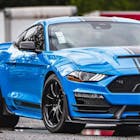
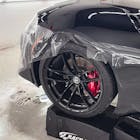
Ultimate Guide to Paint Protection Film in Seattle
Discover everything you need to know about paint protection film in Seattle, from coverage options and costs to XPEL products and long-term care.

If you care about keeping your vehicle looking new, paint protection film in Seattle can be one of the smartest ways to defend your investment. Drivers face rock chips on I-5 and I-405, ongoing construction, winter road sand, gravel, tree sap, bug residue, and weekend trips into the mountains. These conditions frequently damage factory paint.
That is exactly why Paint Protection Film has become one of the most popular upgrades we install at Benchmark Auto Salon.
Paint Protection Film (commonly called PPF, clear bra, or clear paint protection film) creates a nearly invisible physical barrier over your vehicle's painted surfaces. Instead of road debris striking your factory clear coat directly, it encounters a durable layer of protective film first.
At Benchmark Auto Salon, we have specialized in protecting Seattle-area vehicles since 2011. We have completed thousands of clear paint protection installations on everything from daily drivers, trucks and RVs to Teslas, Rivians, Porsches, BMWs, Mercedes-Benz models, and exotic vehicles.
This guide covers virtually everything you should know before deciding whether Paint Protection Film is right for your vehicle.
What Is Paint Protection Film?
Paint Protection Film is a transparent urethane film applied directly over a vehicle's painted exterior surfaces. Modern PPF is dramatically different from the thick, highly visible "clear bras" some drivers may remember from decades ago.
Today's premium films are engineered to be optically clear, flexible, durable, stain resistant, and exceptionally difficult to notice when installed correctly.
XPEL describes its automotive PPF as protection against common hazards including rock chips, surface scratches, swirl marks, and environmental damage. XPEL ULTIMATE PLUS, for example, is approximately 8 mil thick and uses a self-healing topcoat designed to recover from fine scratches and swirl marks.
Once professionally installed, the film follows the shape and contours of your vehicle. Ideally, you should notice the vehicle. You should not notice the film.
What Does PPF Protect Against?
Paint Protection Film is primarily designed to provide a sacrificial physical barrier between the outside world and your vehicle's paint.
It can help protect against:
- Rock chips
- Gravel
- Small road debris
- Light scratches
- Minor scuffs
- Bug splatter
- Bird droppings
- Tree sap
- Road grime
- Sand
- Environmental contaminants
- Swirl marks within the film
- Everyday wear on high-contact areas
XPEL specifically identifies rock chips, scratches, bug splatter, swirl marks, stains, and other common road hazards among the problems its professionally installed PPF is designed to defend against. However, PPF is not indestructible.
A large enough rock can penetrate the film. A collision can damage both the film and the vehicle underneath it. Someone intentionally dragging a key deeply across a panel will almost certainly cut through the film and mar the paint.
The purpose of PPF is not to make your vehicle invincible. It is to dramatically reduce the types of everyday paint damage vehicles accumulate through normal use. And in our experience, that makes a significant difference.
XPEL PPF Stood Up to a 9,000 Mile Road Test
In a recent real-world test we outfitted a GMC Sierra with a full XPEL PPF wrap and drove it across 9,000-plus miles of highways, mountains, and backroads. The results were dramatic, with the front bumper earning just one, nearly imperceivable blemish.

Even on the best of days, Seattle drivers face crowded city streets, heavy construction, and tons of road debris that can damage their vehicle's exterior.
Why Paint Protection Film Makes Sense in Seattle
We regularly hear customers ask whether PPF is really necessary in Western Washington.
Our answer is simple: look closely at the front bumper of a vehicle that has spent several years commuting around Seattle. The evidence is usually right there.
Seattle-area vehicles encounter a surprisingly wide range of conditions that can damage paint. Paint protection film helps prevent (or reduce) this damage for Seattle vehicles.
I-5 and I-405 Driving
Highway driving is one of the biggest reasons Seattle drivers choose PPF. Your vehicle is traveling at highway speeds while following thousands of other cars, trucks, construction vehicles, and commercial vehicles.
Small stones and pieces of debris thrown into the air can strike your bumper, hood, headlights, mirrors, and fenders. You might barely hear the impact. Unfortunately, your paint can tell a different story.
One chip is annoying. After several years, dozens of small chips can make an otherwise beautiful vehicle look considerably older. PPF gives those objects something other than your factory paint to hit.
Seattle-Area Construction
Anyone who regularly drives through Seattle, Bellevue, Redmond, Lynnwood, Everett, or the surrounding communities knows that construction is simply part of life here.
Construction vehicles can carry dirt and small debris onto roadways. Road resurfacing projects can expose vehicles to loose aggregate. New developments generate constant truck traffic.
You cannot avoid every piece of debris. PPF allows you to prepare your vehicle for the chaos.
Mountain Driving
One of the great advantages of living in Western Washington is how quickly you can leave the city and head toward the mountains.
Unfortunately, mountain roads can be rough on paint.
Trips toward Snoqualmie Pass, Stevens Pass, Leavenworth, Mount Rainier, or other recreational destinations can mean exposure to gravel, sand, road debris, snow, ice, and winter maintenance materials.
If your vehicle doubles as your weekend adventure machine, additional PPF coverage may make considerably more sense than it does for a vehicle that rarely leaves downtown Seattle.
Winter Sand and Road Debris
Winter introduces another challenge. Sand, gravel, dirt, road salt and other material accumulate on road surfaces. Vehicles ahead of you can throw that material directly toward your paint.
Front bumpers are especially vulnerable, but rocker panels and lower doors can also receive significant abuse. Trucks, SUVs, Teslas, and Rivians that travel through the Cascades frequently are vehicles where we often recommend thinking beyond basic bumper protection.
Tree Sap and Organic Contaminants
Seattle's famous greenery comes with a downside. Parking beneath trees can expose paint to sap, pollen, bird droppings, leaves, and other organic contaminants.
PPF provides another layer between these contaminants and your factory finish. It does not eliminate the need to wash your vehicle, but it can make protecting the original paint considerably easier.
(Want to make washing your vehicle as easy as possible? Add XPEL ceramic coat to your PPF. It makes washing your car a breeze.)
How Does Self-Healing PPF Work?
"Self-healing" sounds almost too good to be true. There is some important context behind the term.
Premium Paint Protection Film contains a specially engineered topcoat. Fine scratches and swirl marks within that topcoat can disappear when exposed to heat. Heat can come from warm water, ambient temperatures, or sunlight.
XPEL describes its PPF as using heat-activated self-healing technology for minor scratches and swirl marks. That means the film can recover from many of the fine marks that would otherwise make a vehicle's finish gradually look dull or scratched.
Self-healing does not mean every form of damage magically disappears. Deep cuts, punctures, or severe impacts can still damage PPF. But for everyday surface wear, self-healing technology is one of the biggest advantages modern PPF offers.

XPEL Paint Protection Film offers the highest level of protection, finish, and lifespan of any film on the market. It's what we use on our personal vehicles and what we recommend to all of our friends, family, and customers.
Why We Install XPEL Paint Protection Film
There are several reputable PPF manufacturers available today.
At Benchmark Auto Salon, we install XPEL because we believe it offers the combination of protection, appearance, technology, installation precision, and long-term support our customers expect. XPEL PPF provides several important benefits:
Exceptional Optical Clarity
Good PPF should protect your paint without distracting from it. That is especially important when we are working on a new Porsche, Tesla, BMW, Mercedes-Benz, Rivian, or another vehicle where the finish is a major part of its appearance.
XPEL's premium clear films are designed to maintain a nearly invisible appearance.
Self-Healing Technology
As discussed above, fine scratches and swirl marks within the film can self-heal when exposed to heat. That helps maintain a cleaner appearance over time.
Stain Resistance
Your vehicle encounters more than rocks. Bug residue, road grime, bird droppings, tree sap, and environmental contaminants can all affect exterior surfaces.
XPEL's films are engineered to resist staining and discoloration while maintaining clarity.
Resistance to Yellowing
Older generations of clear film earned an unfortunate reputation for yellowing. Modern premium PPF has come a very long way.
XPEL states that its advanced PPF formulation is designed to resist yellowing caused by UV exposure. That is a especially important on white, silver, and other light-colored vehicles where discoloration would be especially noticeable.
Long-Term Warranty Protection
XPEL ULTIMATE PLUS carries a comprehensive 10-year warranty, while XPEL's warranty information lists a 10-year warranty period for professionally installed ULTIMATE FUSION PPF against specified defects such as yellowing, cracking, blistering, and delaminating.
For customers, that warranty adds another level of confidence to a product designed to stay on the vehicle for years.
XPEL ULTIMATE PLUS vs. ULTIMATE FUSION
Not all XPEL Paint Protection Film is identical. Two products Seattle drivers may encounter are XPEL ULTIMATE PLUS and XPEL ULTIMATE FUSION.
ULTIMATE PLUS
Ultimate Plus is XPEL's traditional high-gloss clear Paint Protection Film. It is designed to protect against chips, scratches, stains, and environmental contaminants while preserving the appearance of the underlying paint.
ULTIMATE FUSION
Ultimate Fusion takes that concept and incorporates a hydrophobic topcoat. According to XPEL, ULTIMATE FUSION combines PPF protection with hydrophobic properties similar to those associated with ceramic coatings. Water, dirt, and road grime have a more difficult time adhering to its slick surface, making the vehicle easier to maintain.
For Seattle drivers, hydrophobic properties can be especially attractive. We see plenty of rain. A slicker surface that sheds water and contamination more easily can make routine washing and maintenance simpler.

XPEL Stealth PPF offers a smooth satin finish with all the protection of traditional XPEL PPF.
What Is XPEL STEALTH PPF?
PPF does not have to be glossy. XPEL STEALTH is a satin-finish Paint Protection Film designed for two major applications.
First, it can protect vehicles that already have factory matte or satin paint. Second, it can transform conventional gloss paint into a satin appearance.
XPEL describes STEALTH as a protective satin film capable of preserving an OEM matte finish or changing glossy paint into a satin finish. That gives owners an interesting option. Instead of permanently repainting a gloss vehicle to achieve a satin appearance, STEALTH allows the original paint color to remain underneath the protective film.
A gloss black vehicle, for example, can become satin black. A gloss blue vehicle can become satin blue. The underlying color remains recognizable, but the finish changes dramatically.
For factory matte vehicles, STEALTH offers an even more practical advantage. Matte paint can be difficult to repair because traditional polishing can permanently alter the finish. Protecting that paint before damage occurs can be considerably easier than correcting damage afterward.
PPF Coverage Options: How Much Protection Do You Need?
One of the most common questions we receive is: Do I need to wrap my entire vehicle?
Not necessarily. Paint Protection Film can be tailored around your vehicle, budget, driving habits, and priorities. At Benchmark Auto Salon, our current PPF options range from targeted individual areas to full-vehicle coverage. Here is how we generally think about coverage.
Partial Front Coverage
Partial coverage focuses on some of the vehicle's most vulnerable forward-facing surfaces. Benchmark's Partial Coverage Nose Kit, for example, includes the front bumper, headlights, fog lights, side mirrors, and approximately the leading 20 inches of the hood and fenders.
This provides meaningful protection without wrapping complete panels. The tradeoff is that a visible film line remains across the hood and fenders. For budget-focused protection, partial coverage can make sense.
For customers particularly concerned about appearance, we often recommend considering complete panel coverage instead.
Full Front PPF
Full-front PPF is one of the most popular options for good reason. Coverage generally focuses on complete forward-facing panels, such as:
- Full hood
- Full front fenders
- Front bumper
- Headlights
- Side mirrors
Because the hood and fenders are covered completely, there is no partial-film line running across the middle of those panels. For many Seattle commuters, a full front represents an excellent balance between protection and cost.
Track Package
A track-style package expands protection into additional high-impact areas. That can be valuable even if you never visit a racetrack.
Vehicles with wide rear fenders, aggressive tires, flared bodywork, or performance-oriented designs can throw road debris against their own body panels. Additional rocker panel and rear-quarter protection can make a significant difference.
Rocker Panel Protection
Rocker panels live in a brutal environment. They are close to the road, close to the tires, and regularly exposed to dirt, stones, water, and road grime. This is particularly important for:
- Trucks
- Rivians
- Performance vehicles
- Wide-body cars
- SUVs
- Vehicles regularly driven on gravel roads
At Benchmark, rocker-panel PPF can also be installed as an à la carte option.
A-Pillar Protection
The A-pillars and roofline above the windshield can also receive rock impacts. Drivers who spend significant time on highways may want to add these areas to a front-end package.
Full Vehicle PPF
For maximum protection, there is full-body PPF. This is exactly what it sounds like: nearly every painted exterior surface is wrapped in protective film.
Full-body protection makes the most sense for owners who want to preserve as much original paint as possible. It is particularly popular for:
- Exotic cars
- Porsches
- High-end luxury vehicles
- Collector vehicles
- Performance cars
- New Teslas
- Rivians
- Vehicles with specialty paint
- Factory matte vehicles
- Owners who are extremely particular about paint condition
Full-body PPF also gives the vehicle a more uniform finish because every painted panel receives the same protective surface.
Which PPF Coverage Is Best for Seattle?
There is no single correct answer. The right amount of PPF depends heavily on how you use your vehicle.
Seattle Commuter
For a Seattle commuter primarily traveling paved city streets and highways, full-front protection may provide the best balance.
Mountain Driver
For someone regularly driving over mountain passes, visiting trailheads, driving gravel roads, or using a truck or Rivian for outdoor recreation, expanded rocker and side protection becomes more valuable.
Exotic Collector
For an exotic, collector, or expensive performance vehicle, full-body PPF may make sense because maintaining original paint condition is a much higher priority.
We recommend thinking about where damage is most likely to happen rather than simply asking which package is cheapest.
PPF for Teslas
Teslas are among the vehicles we regularly protect. Whether you own a Model 3, Model Y, Model S, or Model X, the basic challenge is the same: you want to drive the vehicle without watching the front end accumulate chips.
Full-front PPF is especially popular with Tesla owners. Rocker panels and lower-body areas can also benefit from additional coverage depending on the model and how the vehicle is driven.
The goal is not to keep your Tesla hidden in the garage. The goal is to protect it well enough that you can actually enjoy driving it.
PPF for Rivian R1T and R1S
Rivian owners present an interesting case because these vehicles are often used exactly as intended. An R1S or R1T may spend Monday commuting through Seattle and Saturday heading toward the mountains.
That means highway debris, gravel, mud, trailhead roads, and winter conditions can all become part of the same vehicle's routine. For Rivians, we often recommend looking beyond the bumper alone.
Full-front coverage, rocker panels, and other high-impact areas can provide valuable additional protection. Benchmark specializes in XPEL PPF for Seattle-area Rivian owners and applies the same emphasis on wrapped edges and precision installation wherever practical.
PPF for Trucks and SUVs
Trucks can take an incredible amount of road abuse. Large front ends catch debris. Wide tires can throw stones against lower body panels. Towing and long-distance road trips add mileage quickly.
And trucks used for camping, skiing, hunting, mountain biking, construction, or other outdoor activities may regularly leave smooth pavement.
For these vehicles, consider:
- Full front
- Rocker panels
- A-pillars
- Lower doors
- Rear wheel impact areas
- Other model-specific high-impact zones
The exact package should reflect how the truck is actually used.
Should You Install PPF on a Brand-New Car?
If you know you want Paint Protection Film, earlier is generally better. PPF preserves what is underneath it. Installing film when the vehicle is new means you are protecting paint before thousands of miles of road debris have had an opportunity to damage it.
That does not mean older vehicles cannot receive PPF. They absolutely can. But existing chips, scratches, and paint defects may require attention before installation.
If you are ordering a new car and already know you want PPF, contacting an installer before delivery can make the process much easier.
Can PPF Be Installed Over Existing Rock Chips?
In many cases, yes. But PPF does not erase paint damage. If a chip exists before installation, it will still exist underneath the film.
The exact approach depends on the condition of the vehicle and severity of the damage. Small imperfections may simply remain beneath the film. More significant paint damage may need correction or touch-up first. This is another reason installing PPF early in a vehicle's life can be advantageous.

Experienced PPF installers know how to precision cut PPF and wrap it around edges to virtually eliminate any seems and edges.
Why PPF Installation Quality Matters
Buying premium film is only half the equation. Installation matters enormously. A poor PPF installation can suffer from:
- Visible edges
- Dirt beneath the film
- Bubbles
- Stretch marks
- Misaligned patterns
- Poor edge adhesion
- Excessive seams
- Lifting
- Unnecessary cuts around bodywork
A high-quality installation should look like it belongs on the vehicle. At Benchmark Auto Salon, we cut our kits in-house using a plotter and wrap edges whenever practical to reduce visible film lines.
Preparation is equally important.
Our controlled shop environment helps reduce the likelihood of foreign particles becoming trapped underneath the film. This is one reason we believe professional shop installation offers an important advantage over mobile PPF installation.
We want the finished vehicle to look protected without looking wrapped.
What Happens During a Professional PPF Installation?
A professional installation involves considerably more than putting film on a car.
Step 1: Vehicle Inspection
We first evaluate the vehicle's condition. Existing chips, scratches, contamination, paintwork, or previous film can affect how the installation should proceed.
Step 2: Thorough Cleaning
The surfaces receiving PPF must be exceptionally clean. Road grime, waxes, dirt, and other contamination need to be removed. The cleaner the surface, the better the foundation for the installation.
Step 3: Surface Preparation
Additional decontamination may be necessary to remove embedded material from the paint. This step is critical because contamination trapped underneath transparent film can become visible after installation.
Step 4: Precision-Cut Film
Film is cut for the specific vehicle and panels being protected. Modern computer-cut patterns dramatically improve consistency and reduce unnecessary cutting directly against vehicle paint.
Step 5: Film Installation
The film is carefully positioned and worked across the panel. Installation solution is removed as the film is secured. Curves, body lines, sensors, trim, and edges all require careful attention.
Step 6: Edge Finishing
Where appropriate, edges can be wrapped to create a cleaner appearance. The goal is to minimize visible transitions wherever the vehicle design allows.
Step 7: Final Inspection
Once installation is complete, the vehicle is inspected to ensure the film is properly positioned and finished. XPEL similarly describes professional PPF installation as including vehicle preparation, installation, inspection, and quality control before the vehicle is returned to its owner.
How Much Does Paint Protection Film Cost in Seattle?
PPF pricing varies substantially because every vehicle and coverage package is different. Major factors include:
- Vehicle make
- Vehicle model
- Model year
- Number of panels
- Panel size
- Body complexity
- Film selection
- Amount of coverage
- Existing vehicle condition
- Additional preparation required
A front bumper is obviously less expensive to protect than an entire SUV. Benchmark currently offers individual protection options starting with smaller à la carte areas, while larger partial-front, full-front, track, and complete-vehicle packages are quoted according to the vehicle and requested coverage.
Rather than shopping exclusively by price, we recommend comparing film, coverage, installer experience, preparation, edge work, warranty, and finished appearance. Saving money on PPF is not particularly helpful if you spend the next several years staring at poor installation work.
PPF vs. Ceramic Coating
This may be the most misunderstood topic in vehicle protection. Paint Protection Film and ceramic coating are not interchangeable.
They solve different problems. PPF is a physical urethane barrier. It is the product you choose when your biggest concerns include:
- Rock chips
- Road debris
- Scratches
- Scuffs
- Physical impact
Ceramic coating is primarily a surface treatment. Its strengths include:
- Hydrophobic behavior
- Easier washing
- Resistance to environmental contamination
- Enhanced gloss
- Easier maintenance
Ceramic coating does not provide the same physical impact protection as PPF. Benchmark specifically distinguishes PPF's protection against rock chips, debris, and scratches from ceramic coating's role in helping defend against contaminants and making surfaces easier to clean.
If your primary concern is a rock striking your bumper at highway speed, choose PPF. If your primary concern is easier cleaning and surface maintenance, ceramic coating becomes attractive.
If you want both, combine them, to get the best level of protection and visible appeal (not to mention ease of cleaning).
Can You Put Ceramic Coating Over PPF?
Yes. In fact, this is one of our favorite combinations.
PPF protects against physical damage. Ceramic coating adds hydrophobic properties and makes the protected surfaces easier to maintain. The result is a vehicle designed to handle both impact and contamination.
For Seattle drivers dealing with rain, grime, bug residue, tree debris, and highway miles, the combination makes a great deal of sense. XPEL also offers ceramic coating solutions formulated for its PPF products, including STEALTH. XPEL states that coating STEALTH does not turn the satin film glossy.
How Long Does PPF Last?
Premium PPF is designed for long-term use. XPEL ULTIMATE PLUS is backed by a 10-year warranty, and Benchmark's XPEL PPF installations carry applicable warranty protection against specified film defects.
Actual appearance and longevity can also depend on:
- Mileage
- Storage
- Sun exposure
- Washing habits
- Environmental conditions
- Vehicle use
- Maintenance
A garage-kept weekend car and a truck traveling tens of thousands of miles annually do not experience the same environment. But premium PPF should be viewed as long-term protection rather than a temporary cosmetic product.
How Do You Maintain Paint Protection Film?
One of PPF's biggest advantages is that it does not require complicated maintenance. Regular washing remains important. Remove bird droppings, bugs, sap, and other contamination rather than allowing it to remain indefinitely.
When washing:
- Use quality automotive wash products.
- Use clean microfiber towels.
- Avoid aggressively scrubbing film edges.
- Do not intentionally aim high-pressure water directly into exposed edges at extremely close range.
- Remove bugs and contamination promptly.
PPF-specific aftercare products can also help maintain the film. XPEL offers products specifically intended to protect polyurethane films against environmental contamination and staining. Good maintenance helps the film continue doing what you purchased it to do: protect your paint while remaining as unobtrusive as possible.
Can Paint Protection Film Be Removed?
Yes. PPF is not intended to permanently alter your vehicle. Professionally installed film can be removed when necessary. That may happen because:
- The film has reached the end of its service life.
- A panel needs bodywork.
- The film has sustained significant impact damage.
- The owner wants to replace older film.
- The vehicle is being restored or modified.
Proper removal technique matters, which is another reason we recommend having aged PPF professionally removed.
Does PPF Help Resale Value?
There is no guarantee that installing PPF will add a specific dollar amount to your vehicle. What it can do is help preserve something buyers care about: original paint condition.
Imagine two otherwise identical five-year-old vehicles. One has a front bumper and hood covered with chips and scratches. The other has spent those five years protected by PPF and retains significantly cleaner original paint underneath.
Which one presents better?
For luxury, exotic, enthusiast, and collector vehicles in particular, paint condition can matter enormously. Even when resale is not your immediate goal, protecting factory paint can make ownership more enjoyable.
Is Paint Protection Film Worth It?
For every driver? Probably not.
If cosmetic condition does not matter to you and you view your vehicle purely as transportation, PPF may not be a priority. But if you care about any of the following, then PPF deserves serious consideration:
- Bought a new vehicle
- Own a luxury vehicle
- Own an exotic or collector car
- Drive a Tesla or Rivian
- Drive frequently on highways
- Travel through the mountains
- Own an expensive truck
- Care about resale condition
- Hate rock chips
- Want to preserve original paint
The question we encourage customers to ask is not simply: "How much does PPF cost?"
Rather, we recommend asking: "How much do I care about the condition of this vehicle five years from now?"
That usually makes the decision much easier.
When Should You Get PPF?
The ideal time is generally when your vehicle is as close to new as possible. If you have just ordered a new vehicle, you do not necessarily need to wait until it arrives before thinking about protection.
- Decide what matters to you.
- Think about your driving habits.
- Determine your preferred coverage.
- Then talk with an experienced installer.
That way, your vehicle can begin its life on Seattle roads protected rather than accumulating chips while you decide what to do.

We strongly recommend working with a PPF installation shop that has a strong track recored of success and stands behind their work.
Choosing a PPF Installer in Seattle
Film brand matters. Installer quality matters just as much. Before selecting a Seattle PPF installer, we recommend asking the following:
- What film do you install? They should know exactly what product will be placed on your vehicle.
- Are you an authorized installer? You want to work with someone who has manufacturer support and a strong in-house training program.
- How do you prepare the vehicle? Excellent PPF cannot compensate for poor surface preparation.
- Where is the installation performed? A clean, controlled environment helps reduce contamination.
- Do you use computer-cut patterns? Precision patterns can reduce unnecessary cutting around the vehicle.
- Do you wrap edges? Wrapped edges can significantly improve the finished appearance where the vehicle design permits them.
- What warranty comes with the film? Understand both the product and installation coverage.
- Can I see examples of your work? Look closely at these examples. You should be evaluating edges, corners, seams, alignment, cleanliness, and overall appearance.
Why Seattle Drivers Choose Benchmark Auto Salon
Benchmark Auto Salon has been protecting vehicles in the Seattle area since 2011. We are family owned and located in Lynnwood, just north of Seattle. Our shop specializes in Paint Protection Film, ceramic coating, window tint, windshield protection, and related vehicle protection services.
Most importantly, PPF is not a side service for us. It is a major part of what we do.
Benchmark has completed more than 7,000 clear paint protection installations, according to our current company figures, and we have been recognized by XPEL with the 2024 Washington Dealer of the Year award and 2025 U.S. Northwest Region Market Leadership Award.
We are car enthusiasts ourselves. We understand why a small piece of dirt under the film matters. We understand why an unnecessarily visible edge bothers someone who just purchased a new Porsche.
We understand why the first rock chip on a new Tesla, Rivian, BMW, Mercedes-Benz, or truck is so frustrating. Our goal is to help prevent that frustration.
Frequently Asked Questions About Paint Protection Film in Seattle
Is PPF the same thing as clear bra?
Yes. Paint Protection Film, PPF, clear bra, and clear paint protection film generally refer to the same category of protective urethane film.
"Clear bra" is an older term that originally referred primarily to front-end protection. Modern PPF can cover anything from a bumper to virtually the entire vehicle.
Does PPF change the color of my car?
Clear PPF is designed to preserve the original appearance of the paint.
XPEL STEALTH is different because its satin finish can intentionally transform gloss paint into a satin appearance.
Can PPF stop rock chips?
PPF provides a durable physical barrier designed to absorb many impacts that would otherwise strike the paint.
No film can guarantee protection from every possible impact, but preventing rock-chip damage is one of the primary reasons PPF exists.
Will PPF yellow?
Premium modern PPF is specifically engineered to resist yellowing. XPEL states that its PPF formulation is UV resistant and designed to remain nearly invisible rather than yellow from UV exposure.
Does PPF heal scratches?
Fine scratches and swirl marks within XPEL's self-healing topcoat can disappear with heat. Deep cuts and severe damage are different and may require film replacement.
Should I PPF my entire vehicle?
Not necessarily.
Many drivers receive excellent protection from a full-front package. Full-body protection makes more sense for owners who want maximum preservation or have high-value, specialty, matte, or enthusiast vehicles.
Can I put PPF on a leased vehicle?
Yes, provided doing so complies with your lease terms. Because professionally installed PPF is removable, some owners use it to help preserve vehicle condition during the lease period.
Is PPF better than ceramic coating?
They serve different purposes.
PPF provides physical impact protection. Ceramic coating primarily provides surface, hydrophobic, and maintenance benefits.
For maximum overall protection, they can be used together.
How soon should I install PPF on a new car?
Ideally, before the vehicle accumulates significant road damage.
If you know you want PPF, scheduling installation shortly after taking delivery can help preserve the paint from the beginning.
Is Paint Protection Film worth it in Seattle?
For drivers who care about preserving their vehicle's paint, we believe it is.
Between highway debris, construction, mountain driving, winter road conditions, tree contamination, and normal daily use, Seattle gives vehicle paint plenty to deal with.
PPF puts a replaceable protective layer between those hazards and your factory finish.
Protect Your Vehicle Before Seattle Roads Leave Their Mark
You bought your vehicle to drive it. You should not have to spend every highway trip worrying about the truck ahead of you throwing another stone toward your bumper.
That is ultimately what Paint Protection Film gives our customers: the freedom to enjoy their vehicles with significantly less concern about everyday paint damage.
A properly selected PPF package can protect the areas that take the most abuse while remaining almost invisible. For owners who want maximum preservation, full-body PPF can provide an even greater level of protection.
At Benchmark Auto Salon, we have been helping Seattle-area drivers protect their vehicles since 2011. From daily-driven Teslas and Rivians to trucks, Porsches, luxury vehicles, and exotic cars, we approach every PPF installation with the same objective:
Protect the original finish and make the film disappear.
If you are considering Paint Protection Film in Seattle, start by thinking about how you actually use your vehicle. Your mileage, commute, weekend destinations, vehicle type, and expectations will help determine whether targeted protection, a full front, expanded high-impact coverage, or a complete vehicle wrap makes the most sense.
Then let us build the protection package around you. Because Seattle roads are going to keep throwing rocks. Your factory paint does not have to catch them.